Root barriers are vertical impermeable barriers installed in the soil to intercept and redirect tree roots or invasive rhizomes, protecting foundations, sidewalks, driveways, utilities, and neighboring landscapes from structural damage. High-density polyethylene (HDPE) is the dominant material because of its durability, chemical inertness, flexibility, and long in-ground service life. Understanding root barrier price requires examining material cost per linear foot, depth and thickness, installation labor, site conditions, and long-term value.
In 2026, material costs for quality HDPE root barriers typically range from $1.50 to $6.00 per linear foot, depending on thickness (commonly 40–100 mil), depth (12–48 inches or more), and whether the product is supplied as continuous roll or pre-formed panels. Fully installed costs, including trenching, root pruning where required, backfill, and site restoration, commonly fall between $2.25 and $8.50 per linear foot. Some professional service packages that include pruning and restoration quote $45–$75 per linear foot. Project totals for residential perimeters of 100–200 feet often land in the $2,000–$8,000 range. This comprehensive guide analyzes root barrier price from a practical and manufacturer perspective, drawing on current market data and the product capabilities of The Best Project Material Co., Ltd (BPM Geosynthetics). Whether you are protecting a foundation, containing bamboo, or safeguarding hardscape, the parameters below will help you budget accurately.
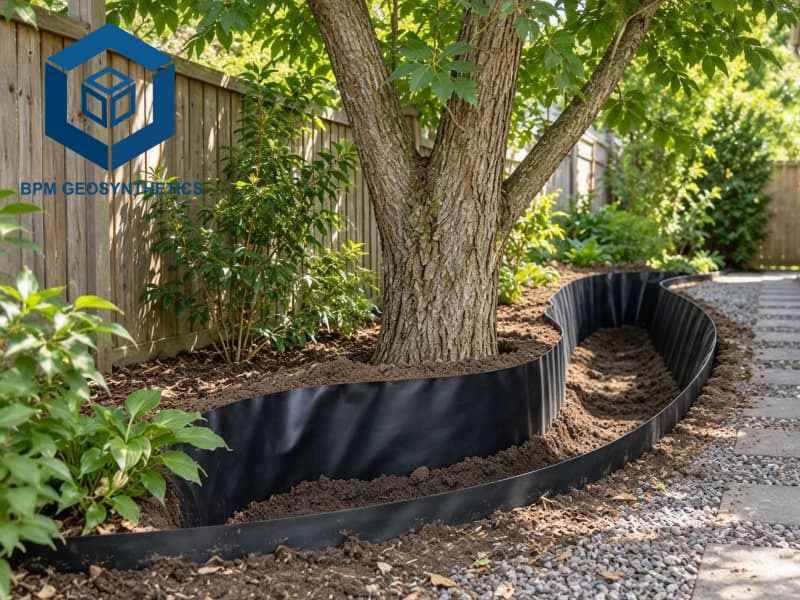
1. What Are Root Barriers?
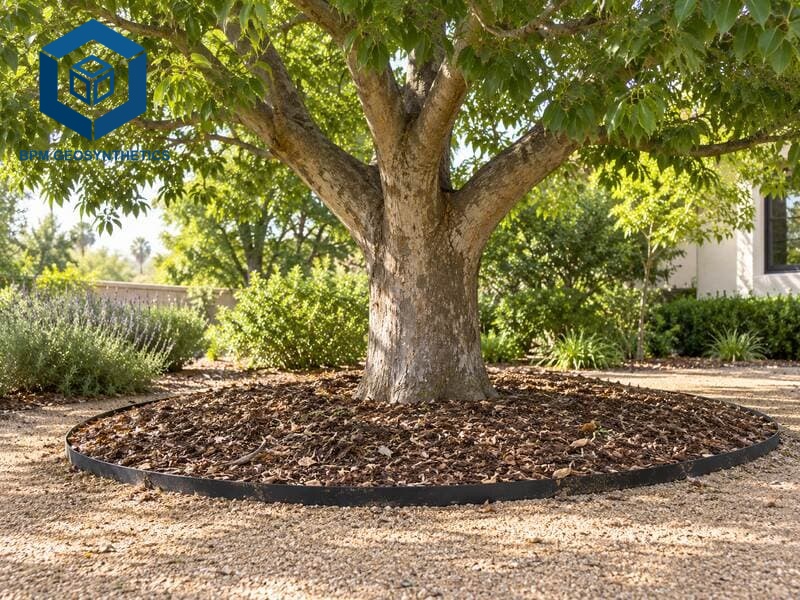
Root barriers are physical barriers placed vertically in a trench between a tree (or invasive plant) and the structure or area to be protected. They do not kill roots; they redirect them downward or sideways so that structural roots do not lift pavements or damage foundations. The most common modern material is HDPE sheet or panel, chosen for its impermeability, resistance to biological attack, and expected in-ground life of decades to 100 years under proper conditions.
Typical specifications for HDPE root barriers include:
- Thickness: 40 mil (1.0 mm) to 100 mil (2.5 mm); 60 mil (1.5 mm) is a frequent practical minimum for reliable performance
- Depth/height: 18–36 inches for most tree applications; 24–48 inches or deeper for aggressive species or critical infrastructure
- Above-grade lip: 1–2 inches so surface-seeking roots can be detected and pruned
- Density ≥ 0.940 g/cm³ for quality HDPE
- Smooth or ribbed face oriented toward the roots
Applications include:
- Foundation and basement protection
- Sidewalk, driveway, and patio edge protection
- Utility and sewer line defense
- Bamboo and invasive rhizome containment
- Commercial landscape and municipal street-tree installations
Proper installation depth, continuous coverage, and secure joints are as important as material selection.
2. How Much Does Root Barrier Cost?
Root barrier price is driven by material, labor, depth, site conditions, and scale. Material-only prices for HDPE products in 2026 generally fall in these ranges:
- Standard 60 mil HDPE roll stock: approximately $1.50–$4.00 per linear foot depending on depth and volume
- Heavier 80–100 mil or specialty panels: $3.00–$6.00+ per linear foot
- Pre-formed ribbed panels: priced by carton; cost per linear foot decreases with shallower depths
Installed costs commonly add substantial labor and equipment:
- Basic material + simple trenching: $2.25–$5.00 per linear foot
- Full professional packages (trenching, pruning, barrier, backfill, restoration): $45–$75 per linear foot in some U.S. markets
- Typical residential projects (100–200 ft): $2,000–$8,000 total
Below we examine the principal cost drivers in detail.
2.1 Root Barrier Price – Material Type and Thickness
HDPE is the dominant material because it does not corrode, resists soil chemicals, and remains flexible yet strong. Within HDPE:
- 40–60 mil: lower material cost, suitable for ornamental trees and light landscaping
- 60–80 mil: practical standard for most foundation and sidewalk protection
- 80–100 mil: higher cost, preferred for mature trees, aggressive species, or critical infrastructure
Thicker material increases puncture and long-term resistance but raises the price roughly in proportion to the additional resin. Ribbed or root-guiding panels that actively direct roots downward may carry a premium over smooth continuous sheet. Continuous roll stock often reduces joints and can lower installed cost compared with multi-panel systems that require numerous connections.
BPM Geosynthetics manufactures Geomembrane liner from virgin resin that meets GRI-GM13 mechanical benchmarks. When cut or fabricated to appropriate thickness (60 mil or greater) and depth, the material serves effectively as a high-performance root barrier, offering consistent quality and competitive pricing for both residential and commercial runs.
2.2 Root Barrier Price – Depth and Height
Deeper barriers require more material and more excavation:
- 18–24 inches: common for many sidewalk and light foundation applications; lower material and labor cost
- 30–36 inches: standard for mature trees and higher-risk sites
- 48 inches or deeper: used for utilities, very aggressive roots, or special conditions; highest cost
Leaving 1–2 inches above finished grade is essential so roots that attempt to grow over the barrier can be pruned. This small detail does not significantly affect material quantity but is critical to long-term success.
2.3 Root Barrier Price – Project Size and Scale
Longer continuous runs benefit from economies of scale:
- Short residential runs (50–100 ft): higher unit costs due to mobilization and minimum charges
- Medium projects (100–300 ft): more favorable material and labor rates
- Large commercial or municipal projects: bulk material discounts and efficient crew utilization can reduce unit cost substantially
Continuous HDPE roll stock is particularly advantageous on long linear runs because it minimizes joints.
2.4 Root Barrier Price – Installation Labor and Site Conditions
Labor frequently accounts for 50–70 % of total installed cost. Factors include:
- Soil type (clay, sand, rock) and the difficulty of trenching
- Presence of existing roots that must be pruned
- Access and working space
- Need for utility locating
- Backfill compaction and surface restoration (sod, paving, etc.)
- Regional labor rates
Rocky or root-dense soils increase both time and equipment requirements. Professional installation that includes proper root pruning (following ANSI A300 standards where applicable) and careful backfill produces a more reliable long-term result than material-only supply.
2.5 Root Barrier Price – Transportation, Accessories, and Logistics
Freight for rolls or panels, joining clamps or profiles, and any required geotextile or protective materials add to the delivered cost. Remote sites or difficult access can increase logistics expense. Quality manufacturers with efficient production and packaging help keep these secondary costs manageable.
2.6 Maintenance and Lifetime Cost
A properly installed HDPE root barrier requires only periodic inspection of the above-grade lip and occasional pruning of any roots that surface. High-quality virgin HDPE can remain effective for decades. Lower-quality or thinner materials that fail early generate higher lifetime cost through repeated repairs or structural damage to the protected assets. Investing in adequate thickness, continuous coverage, and professional installation usually yields the lowest total cost of ownership.
3. How to Choose the Right Root Barrier
Selecting a root barrier involves matching material, thickness, and depth to the tree species, proximity to structures, and risk tolerance:
3.1 Assess Project Requirements
- Ornamental or young trees near light hardscape: 40–60 mil × 24–30 inches
- Established trees near foundations or sidewalks: 60–80 mil × 24–36 inches
- Mature or aggressive species, utilities, or critical infrastructure: 80–100 mil × 30–48 inches
- Bamboo or invasive rhizomes: continuous enclosure with adequate depth and thickness; leave 2 inches above grade
3.2 Prioritize Material Quality
Specify virgin or high-quality HDPE with proven density and mechanical properties. Continuous roll stock reduces joints. BPM Geosynthetics Smooth HDPE Geomembrane provides consistent GRI-GM13-level performance when fabricated for root-barrier use.
3.3 Plan for Proper Installation
Budget for accurate trenching to full design depth, secure joints, correct orientation (smooth or ribbed face toward the roots), above-grade lip, and thorough backfill compaction. Consider professional root pruning when working near established trees.
3.4 Evaluate Total Cost of Ownership
A higher-quality barrier that lasts decades and prevents structural damage is almost always more economical than a low-cost product that fails or requires frequent intervention.
3.5 Compare Suppliers and Quotations
Request material specifications, thickness and depth options, and delivered pricing. BPM Geosynthetics offers competitive quotations on HDPE suitable for root-barrier applications together with technical support.
4. Typical Cost Examples
Illustrative 2026 ranges (U.S. market conditions):
- Basic 80–100 ft residential run, 24-inch HDPE, level ground: materials $150–$600; installed total often $800–$2,500 depending on labor rates and restoration
- Mid-range 150 ft foundation or sidewalk protection, 30-inch depth: materials $300–$900; full professional package $3,000–$7,000
- Larger or more complex projects with pruning and difficult soil: $5,000–$10,000+
These figures are indicative. Actual costs depend on local labor, soil, access, and exact specifications.
5. Why Source Root Barrier Material from BPM Geosynthetics
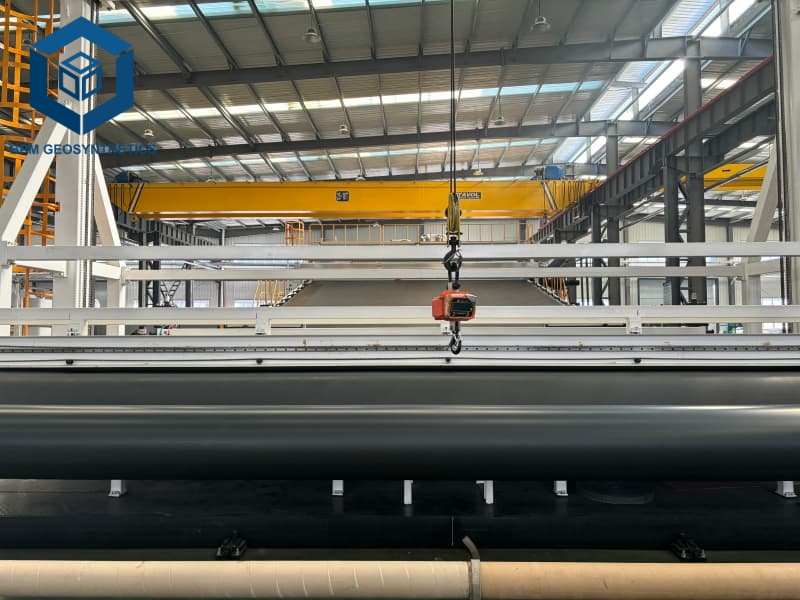
The Best Project Material Co., Ltd (BPM Geosynthetics) manufactures HDPE Geo membrane from virgin resin with 2.0–3.0 % carbon black that meets GRI-GM13 mechanical benchmarks. When cut or fabricated to 60 mil (1.5 mm) or greater thickness and appropriate depth, the material functions as a durable, impermeable root barrier. Key advantages include:
- Consistent density ≥ 0.940 g/cm³ and high puncture and tensile performance
- Competitive roll widths that support efficient coverage of long runs
- Controlled thickness tolerance
- Full documentation and quality systems
- Production capacity and logistics for residential, commercial, and municipal projects
- Technical guidance on thickness, depth, and installation best practices
BPM Geosynthetics supplies HDPE solutions used for root and rhizome containment as well as a wide range of waterproofing and containment applications across more than 80 countries, delivering reliable performance and competitive value.

Conclusion
Root barrier price in 2026 typically ranges from $1.50–$6.00 per linear foot for quality HDPE material and $2.25–$8.50 or higher per linear foot when fully installed, with professional packages in some markets reaching $45–$75 per linear foot. Thickness, depth, project length, soil conditions, labor, and long-term durability all influence the final figure. For foundation protection, hardscape defense, and invasive plant containment, investing in adequate thickness (commonly 60 mil or greater), continuous coverage, and proper installation produces the lowest total cost of ownership and the most reliable protection.
When budgeting your next project, request detailed quotations that reflect current material prices, exact depth and thickness requirements, and local installation conditions. The Best Project Material Co., Ltd (BPM Geosynthetics) stands ready to provide competitive pricing on HDPE suitable for root-barrier applications together with technical support for successful long-term performance.
Contact BPM Geosynthetics today for a project-specific quotation on root barrier material and expert guidance on protecting foundations, hardscapes, and landscapes from damaging root growth.