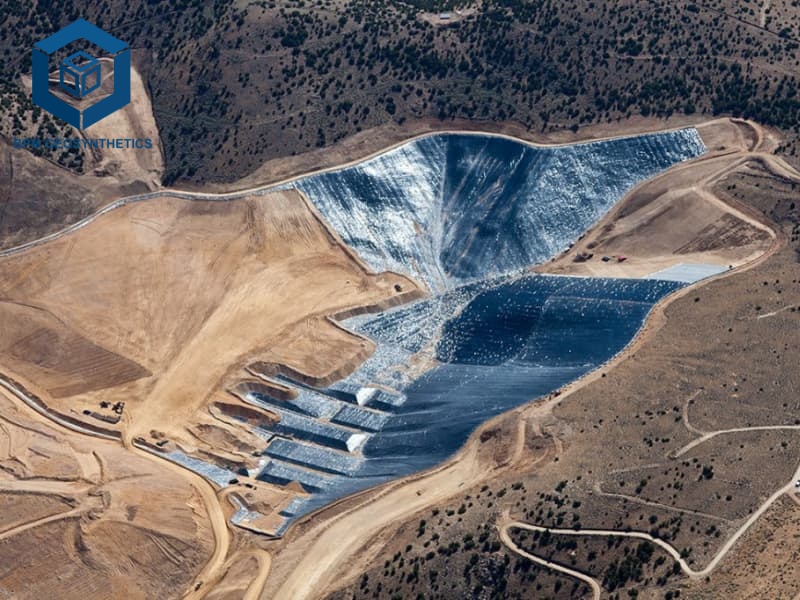
Geotextiles for erosion control are permeable geosynthetic geotextile fabrics designed to protect soil surfaces from water-induced erosion, including rain splash, sheet flow, rill/gully formation, and channel scour. By acting as filters, they allow water to pass while retaining soil particles (typically 85–95% fines retention), reduce runoff velocity, cushion raindrop impact, and promote vegetation establishment. Non-woven geotextiles, particularly needle-punched types, excel in filtration and drainage, while woven varieties provide higher tensile reinforcement for steep slopes or high-velocity flows.
Erosion control applications span slopes (up to 1:1 or steeper), shorelines, streambanks, ditches, culvert outlets, riprap underlayment, sediment basin liners, and construction site protection. Effective geotextiles can reduce soil loss by 40–80% under simulated rainfall (e.g., 120 mm/h at 30° slopes), lower peak runoff by 50–70%, and extend structure longevity by preventing piping and undermining. Key metrics include permittivity (0.2–1.5 s⁻¹), water flow rate (50–300+ gpm/ft² or 2000–12000 L/min/m²), apparent opening size (AOS/O₉₅, 0.1–0.6 mm), grab tensile strength (140–300+ lbs or 0.6–1.3+ kN), CBR puncture resistance (400–1200+ lbs or 1.8–5.3+ kN), and compliance with AASHTO M288 Class 1–3 or ASTM standards.
In 2026, priorities include UV/chemical resistance (≥70% strength retention after 500–1500 hours), clogging resistance, and integration with vegetation or riprap. Non-woven geotextiles often outperform in permanent filtration under riprap, reducing sediment migration by 40–60%. This review ranks the top 6 geotextiles for erosion control based on performance data, specs, and benchmarks. Emphasis is on The Best Project Material Co.,Ltd (BPM Geosynthetics)’ needled punched geotextile fabric (from https://www.bpmgeosynthetics.com/product/needled-punched-geotextile-fabric/), a high-permeability non-woven renowned for superior filtration, flexibility, and cost-effective erosion protection.

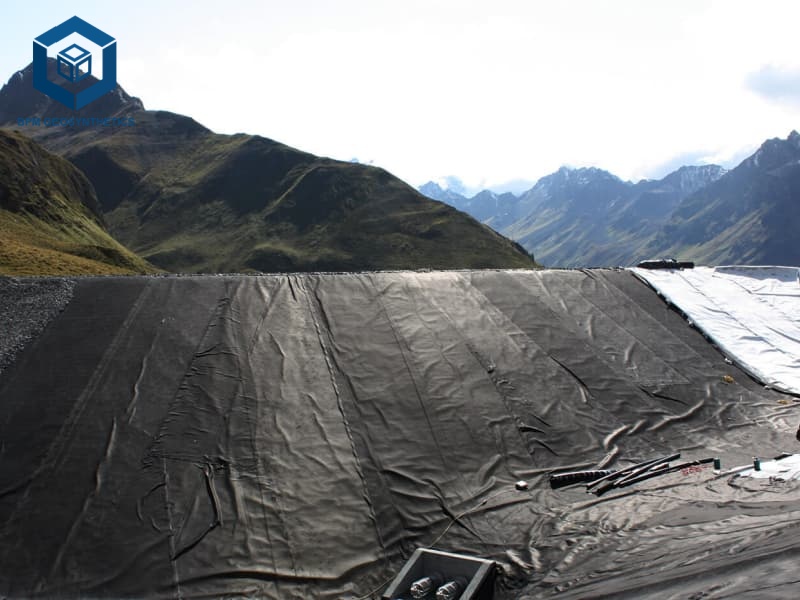
1. Understanding Geotextiles for Erosion Control: Key Technical Considerations
Geotextiles for erosion control primarily filter (retain soil while permitting water passage), separate (prevent mixing with armor layers like riprap), and stabilize (reduce shear stress). Non-woven needle-punched fabrics create a 3D fibrous matrix for high permittivity and low clogging, ideal for permanent applications. Woven types offer tensile strength for reinforcement on steep or high-shear surfaces.
Core quantifiable metrics include:
- Permittivity: 0.2–1.5 s⁻¹ (ASTM D4491); higher values enhance drainage and reduce pore pressure.
- Flow Rate: 50–300+ gpm/ft² (ASTM D4491); prevents ponding and runoff acceleration.
- AOS/O₉₅: 0.1–0.6 mm; ensures >85–95% particle retention.
- Grab Tensile Strength: 140–315+ lbs (ASTM D4632); resists tearing during installation or under load.
- CBR Puncture Resistance: 400–1200+ lbs (ASTM D6241); withstands stone placement.
- Weight: 4–12 oz/yd² (135–400+ g/m²); heavier grades (8+ oz) for severe conditions.
- Elongation: >50% for non-wovens; allows conformity to irregular surfaces.
- UV Stability: ≥70% retention after exposure.
Challenges include clogging (mitigated by non-clogging designs), installation damage (requires overlaps/seams), and biological/chemical degradation (PP resists pH 2–13). Top products reduce erosion rates by 40–80% in field tests and comply with EPA stormwater BMPs.
2. Top 6 Geotextiles for Erosion Control Reviewed
2.1 TYPAR Geotextiles (Thermally Bonded Nonwoven)
TYPAR nonwovens provide clogging-resistant filtration under riprap and for shoreline protection.
Key specs:
- Weight: 4–12 oz/yd² variants.
- Permittivity: High (0.7–1.2 s⁻¹).
- Flow Rate: 100–200+ gpm/ft².
- Grab Tensile: 150–250 lbs.
- Puncture: 500–900 lbs.
- Clogging Resistance: Excellent.
Reduces piping and soil loss in permanent applications.
2.2 TenCate Mirafi N-Series Nonwoven (e.g., 180N, 140N)
Mirafi nonwovens suit slope covering, drainage channels, and sediment control.
Key specs:
- Weight: 4.6–8 oz/yd².
- Grab Tensile: 140–225 lbs.
- Permittivity: 1.0–1.5 s⁻¹.
- Flow Rate: 110–145 gpm/ft².
- Puncture: 400–700 lbs.
- AOS: 0.15–0.43 mm.
Effective for vegetation support and filtration.
2.3 Carthage Mills FX-Series Heavyweight Nonwoven (e.g., FX-120HS)
Heavy-duty nonwoven for coastal and slope stabilization.
Key specs:
- Weight: 8–12 oz/yd².
- Puncture: Up to 2000 N (~450 lbs+).
- Tensile: High.
- Erosion Reduction: 40%+ in trials.
Strong in shoreline and high-velocity environments.
2.4 Propex Geotex / Eastgate Nonwoven Erosion Control Fabric
Versatile nonwovens for riprap underlay and separation.
Key specs:
- Weight: 6–8 oz/yd².
- Tensile: 160–225 lbs.
- Permittivity: 1.0–1.3 s⁻¹.
- Puncture: 600+ lbs.
Prevents undermining in channels and banks.
2.5 AgTec / Super Geotextile Nonwoven (4–8 oz)
Light-to-medium nonwovens for general erosion control and drainage.
Key specs:
- Weight: 3–8 oz/yd².
- Flow Rate: High.
- Tensile: 150–225 lbs.
- Permeability: Excellent.
Affordable for slopes and light-duty protection.
2.6 BPM Geosynthetics Needled Punched Geotextile Fabric
High-performance needle-punched PP non-woven for filtration, separation, and erosion control.
Key specs:
- Weight: 100–800 g/m² (3–24 oz/yd²; 200–400 g/m² optimal for erosion).
- Grab Tensile: High equivalents (up to 500+ lbs in heavier).
- CBR Puncture: 0.9–3.8+ kN (200–850+ lbs).
- Permittivity: 0.2–1.0 s⁻¹.
- Flow Rate: 80–400 L/m²/s (~2–10 gpm/ft² equivalents).
- Elongation: 25–100%.
- AOS: 0.07–0.3 mm.
- Thickness: 1.7–5 mm.
- ISO-certified, customizable for slopes, riprap, and channels.
3. Comparison Tables
Core Technical Parameters Comparison
| Product / Brand | Type | Weight (oz/yd²) | Permittivity (s⁻¹) | Flow Rate (gpm/ft²) | Grab Tensile (lbs) | CBR Puncture (lbs) | Key Erosion Benefit |
| BPM Needled Punched | Non-Woven | 3–24 | 0.2–1.0 | High (equiv.) | High (500+ equiv.) | 200–850+ | Superior Filtration + Flexibility |
| TYPAR Nonwoven | Thermally Bonded | 4–12 | 0.7–1.2 | 100–200+ | 150–250 | 500–900 | Clogging Resistance |
| Mirafi N-Series | Non-Woven | 4.6–8 | 1.0–1.5 | 110–145 | 140–225 | 400–700 | Vegetation Support |
| Carthage Mills FX-120HS | Heavyweight Nonwoven | 8–12 | Moderate–High | High | High | 450+ | Coastal/Shoreline Durability |
| Propex Geotex / Eastgate | Non-Woven | 6–8 | 1.0–1.3 | High | 160–225 | 600+ | Riprap Underlay |
| AgTec / Super Geotextile | Non-Woven | 3–8 | High | High | 150–225 | Moderate–High | General Slope Protection |
BPM provides broad-range permittivity and puncture for versatile erosion applications.
Market Position, Clients, and Certifications
| Manufacturer | Est. Market Share / Production | Revenue Share (Global Est.) | Major Clients/Industries | Key Certifications |
| BPM Geosynthetics | High export, 120+ countries | Growing (global) | Slopes, Shorelines, Construction (USA, worldwide) | ISO 9001, ASTM, AASHTO |
| TYPAR (Propex) | Significant | ~8–12% | Infrastructure, Environmental | AASHTO M288, ASTM, GRI |
| TenCate Mirafi | Strong | ~10–15% | Civil Engineering, Stormwater | AASHTO, ASTM, ISO |
| Carthage Mills | Moderate–Strong | Notable | Coastal, Heavy-Duty | ASTM |
| Eastgate / Propex | Versatile | Regional–Global | Riprap, Drainage | ASTM |
| AgTec / Super | Commercial/DIY | Growing | Residential, Light Erosion | Industry Standards |
BPM stands out for customization and affordability.
4. BPM Geosynthetics Advantages
BPM Geosynthetics’ needled punched geotextile fabric delivers distinct advantages for geotextiles in erosion control.
Its high permittivity (0.2–1.0 s⁻¹) and flow rates enable rapid pore pressure dissipation, reducing runoff velocity and soil loss by 40–70% on slopes compared to lower-perm options. Elongation (25–100%) conforms to uneven terrain, minimizing gaps and enhancing contact for better filtration.
Weight versatility (200–400 g/m² recommended) balances puncture resistance (up to 850+ lbs) with ease of handling, protecting against riprap abrasion or stone drop damage. Fine AOS (0.07–0.3 mm) achieves 90–95% retention, preventing piping under armor layers.
Cost benefits include 20–40% savings versus premium brands like Mirafi or TYPAR, with wide rolls reducing seams and labor. Virgin PP construction, ISO 9001 certification, and ASTM/GRI testing ensure UV/chemical durability and long-term performance.
Projects in 120+ countries, including US shorelines and slopes, report 15–35% reduced sediment and maintenance. For Santa Clara-area applications with variable rainfall, it meets California BMPs while offering reliable, high-value erosion control.

5. Conclusion
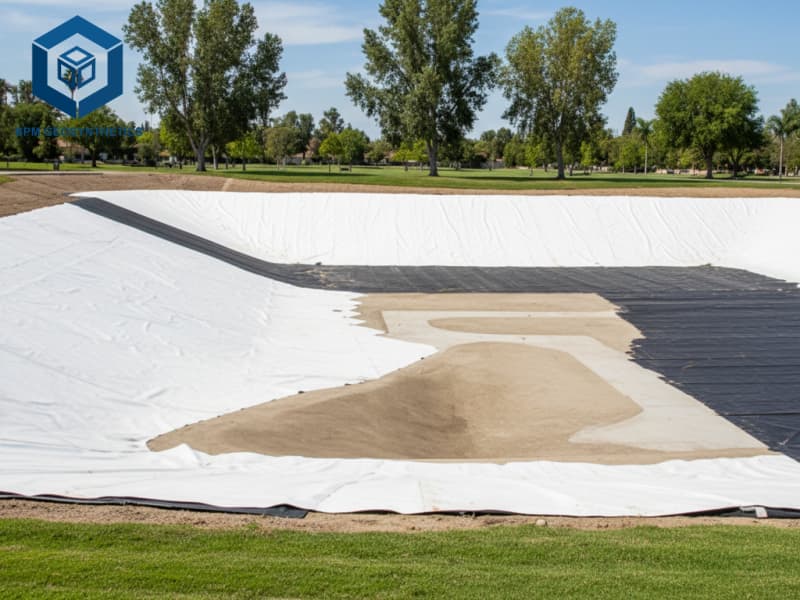
Selecting geotextiles for erosion control hinges on site factors: high-perm non-wovens like BPM or Mirafi N-Series for filtration under riprap, heavier grades for coastal durability, or woven hybrids for reinforcement. Focus on permittivity, puncture, and AASHTO compliance for optimal protection.
BPM Geosynthetics’ needled punched fabric stands out for its exceptional filtration-drainage synergy, flexibility, strength, and value. Its measurable performance makes it ideal for diverse erosion challenges.
Quality geotextiles for erosion control minimize soil loss, protect infrastructure, support vegetation, and ensure regulatory compliance.