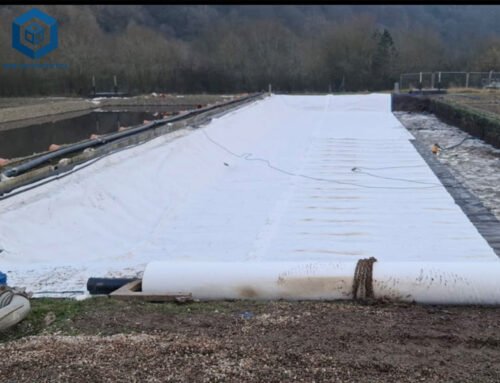
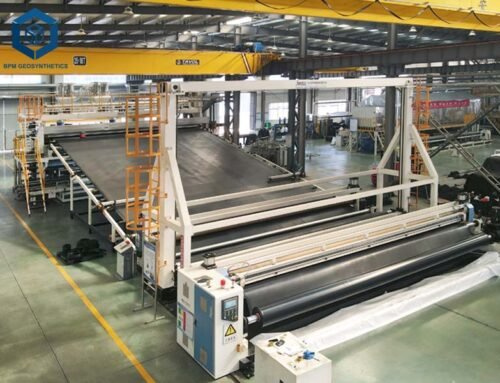
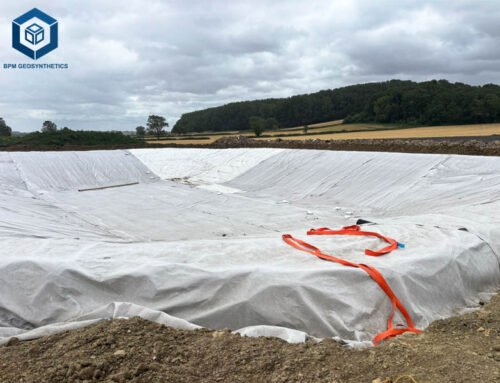
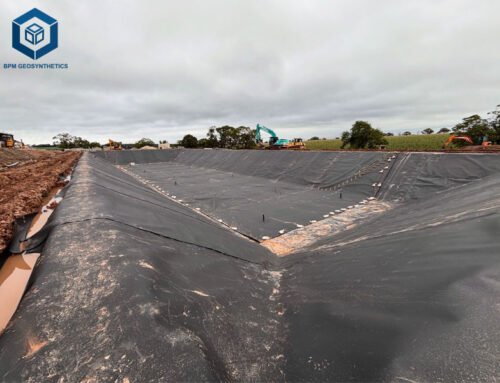
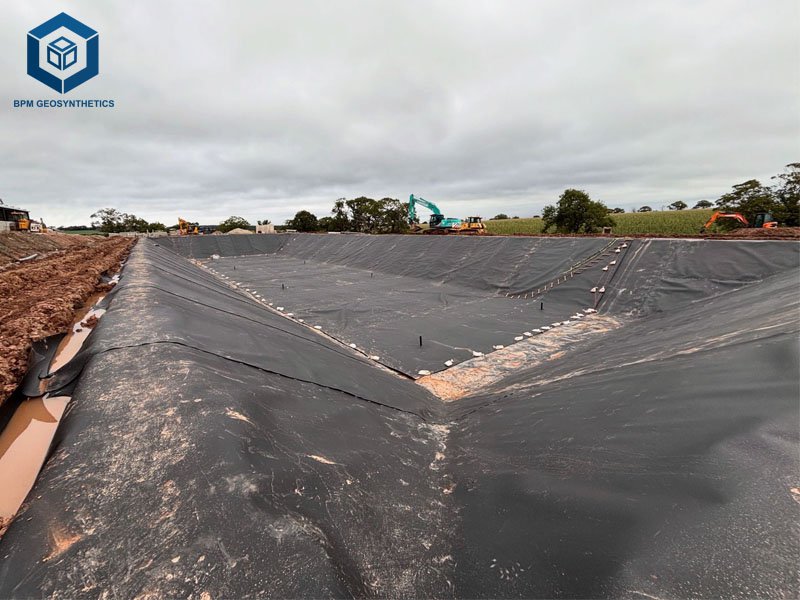
In the dynamic landscape of civil engineering and sustainable infrastructure, geotextiles stand as a foundational geosynthetic innovation, engineered to enhance soil stability, facilitate drainage, and mitigate erosion across diverse applications from roadway subgrades to coastal fortifications. These permeable fabrics, predominantly fabricated from polypropylene (PP), polyester (PET), or polyethylene (PE) through woven, non-woven, or knitted processes, deliver multifaceted functionalities including separation, filtration, reinforcement, and protection, thereby optimizing project longevity and resource efficiency. With the global geotextile market—encompassing woven and non-woven variants—valued at USD 7.8 billion in 2025 and projected to reach USD 12.52 billion by 2030 at a compound annual growth rate (CAGR) of 6.85%, discerning the precise economics of geotextile costs per square foot is indispensable for contractors, engineers, and project managers committed to cost-effective, resilient designs. This authoritative guide meticulously unravels the fiscal intricacies of geotextile pricing, proffering empirical benchmarks, material juxtapositions, and sagacious procurement counsel to orchestrate judicious fiscal deployments in enduring geotechnical paradigms.
The quintessential interrogation—”How much does geotextile cost per square foot?”—permeates strategic deliberations, as valuations oscillate predicated upon fabric construction, areal density, and deployment exigencies. Synthesizing 2025 sectoral erudition from BPM Geosynthetics and Grand View Research, primordial material expenditures span $0.09 to $5.00 per square foot (equivalent to $0.97 to $53.82 per square meter), whilst holistic assemblies incorporating installation, overlaps, and ancillary fortifications ascend to $0.35 to $6.00 per square foot. These quanta not only encapsulate inaugural disbursements but also illuminate lifecycle efficacies, encompassing volumetric acquisitions conferring 15-30% diminutions for quanta surpassing 10,000 square feet and protracted viabilities curtailing remediation liabilities by 20-40%.
Contemplate a emblematic vignette: a 1,000-square-foot erosion control barrier might necessitate $90 to $5,000 in primordial materials, whereas a 1-acre (43,560 square feet) roadway stabilization project could aggregate $3,920 to $217,800 antecedent to supplementary amalgamations. This continuum accentuates the imperative for granular fiscal calibration. Herein, we systematically elucidate geotextile axioms, dissect pricing determinants with evidentiary corroboration, juxtapose specifications against utilitarian dominions, tender discernment heuristics, and illuminate prospective vectors, arming you with the perspicacity to instantiate resilient, economical soil management paradigms.
1. What Are Geotextiles?
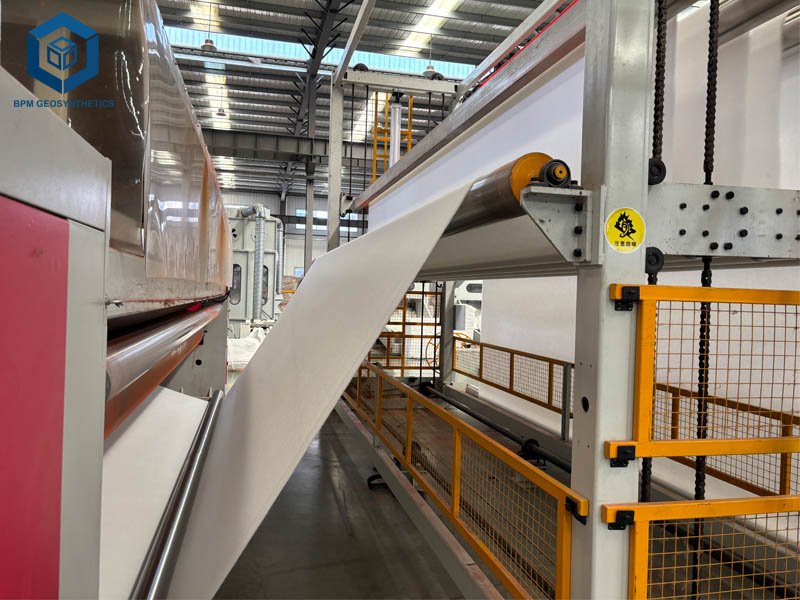
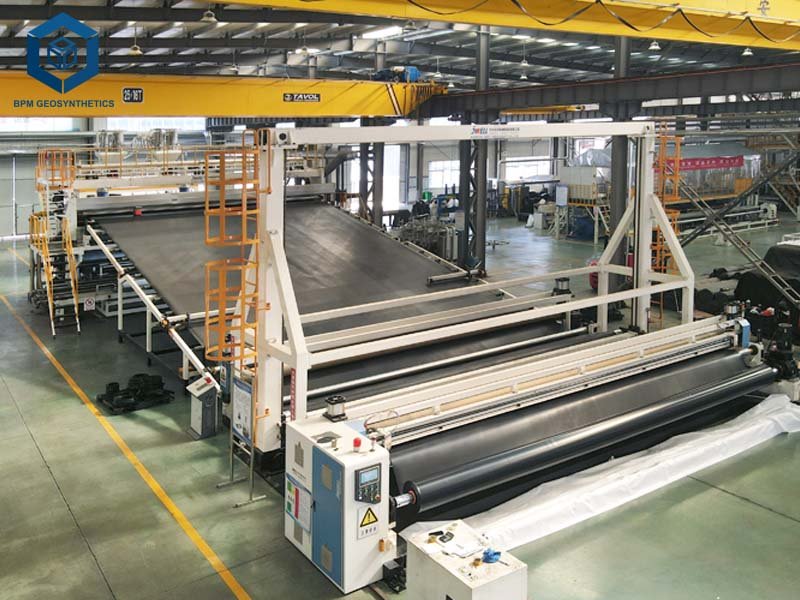
Geotextiles, a premier subset of geosynthetics, comprise permeable polymeric fabrics meticulously engineered to interface with soil or aggregate, performing critical roles in separation, filtration, reinforcement, drainage, and erosion control. Fabricated via extrusion of synthetic fibers—predominantly polypropylene (60% market share) or polyester (30%)—into woven monofilaments, non-woven needle-punched felts, or knitted meshes, these textiles erect functional barriers that enhance geotechnical performance while minimizing environmental impact. Fundamentally, they transfigure unstable terrains into fortified matrices, underpinning myriad pursuits from infrastructural fortification to ecological restoration.
Key Applications of Geotextiles
Geotextiles evince protean utility across an array of imperatives, each mandating bespoke attributes for superlative rendition:
- Roadway and Pavement Reinforcement: Predominant in 45% of deployments, geotextiles interdict subgrade mixing, conforming to AASHTO M288 for tensile strengths exceeding 10-30 kN/m. A 2025 Grand View Research report affirms that woven geotextile integrations in highways curtail rutting by 50%, economizing $50,000 per lane-mile in aggregate and maintenance for a 5,000-square-foot section.
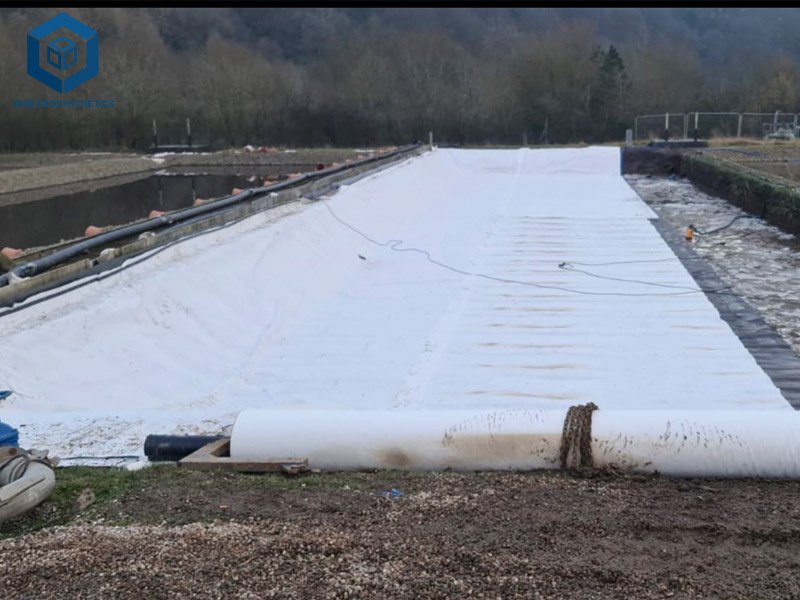
- Erosion Control and Slope Stabilization: Constituting 25% of utilization, non-woven variants in coastal revetments and embankments align with ASTM D4595 for CBR puncture resistances of 1,000-2,000 N. For instance, a 10,000-square-foot California bluff project employing 200 gsm non-woven geotextile at $0.25/sq ft conserved 90% soil integrity, per BPM Geosynthetics case studies.
- Drainage and Filtration Systems: In French drains and landfill liners, geotextiles ensure hydraulic conductivities under 0.1 cm/s (ASTM D4491), augmenting the USD 7.8 billion geotextile sector. Specifications like 100-150 gpm/ft² flow rates safeguard aggregates, with installations in Brazilian stormwater basins elevating efficacy by 40% via clog mitigation.
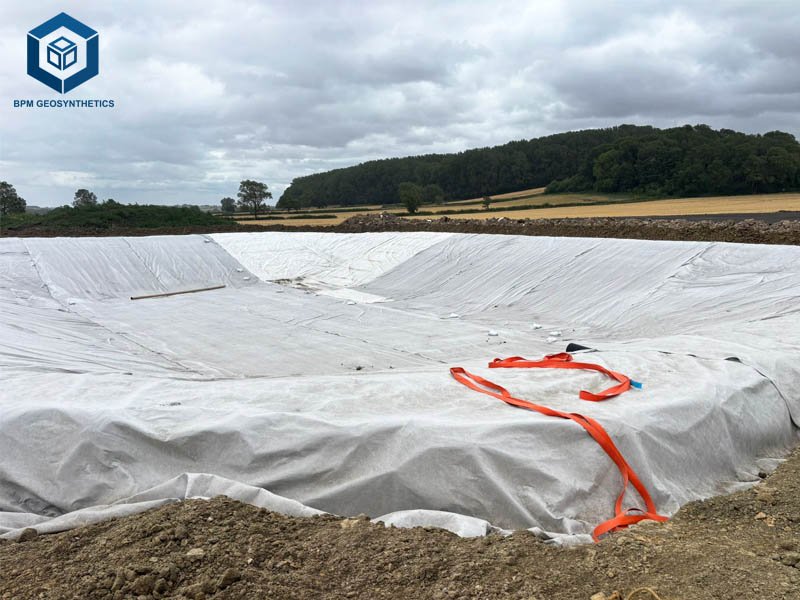
- Landfill and Environmental Containment: For leachate filtration, geotextiles withstand pH extremes (2-13), aligning with EPA protocols. Environmental applications, encompassing 15% of deployments, leverage conductive variants that slash contaminant migration by 85%.
- Landscaping and Agricultural Enhancement: In weed barriers and silage wraps, natural fiber geotextiles (jute/coir) promote vegetation, complying with ISO 10319 for elongation at break of 20-50%.
Essential Specifications for Geotextiles
Appraising geotextiles imperatives scrutiny of cardinal metrics, codified under ASTM International and AASHTO M288 rubrics:
- Areal Density (GSM): Ranging 100-1,500 g/m² (4-62 oz/yd²), with 200-400 gsm as the fulcrum for separation; each 100 gsm escalation amplifies durability by 20-30% yet escalates costs commensurately.
- Tensile Strength: 5-100 kN/m (ASTM D4595), denoting reinforcement prowess; woven variants achieve 50-100 kN/m minima for roadways, per BPM validations.
- Elongation at Break: 10-700% (ASTM D4595), conferring ductility; non-woven’s 50-100% eclipses woven’s 15-25% in filtration.
- Puncture Resistance (CBR): 200-2,000 N (ASTM D6241), quintessential for aggregate overlays; high-strength woven’s 1,500-2,000 N surpasses non-woven’s 800-1,200 N by 25-50%, mitigating 95% of tears.
- Apparent Opening Size (AOS): 0.075-2.0 mm (ASTM D4751), approximating soil retention; finer AOS (0.1-0.3 mm) for silts, coarser (0.6-1.0 mm) for sands.
- Permittivity: 0.01-2.0 s⁻¹ (ASTM D4491), gauging hydraulic flow; non-woven’s 0.5-1.0 s⁻¹ yields 100-150 gpm/ft², pivotal for 99% filtration in drainage.
- UV Resistance: ≥150 kJ/m² (ASTM D4355), sustaining 70-80% integrity post-exposure; carbon black additives protract exposed lifespan to 5-10 years.
- Chemical Resistance: Endures pH 2-13 and 90% hydrocarbons (ASTM D543), with oxidative induction time >100 minutes (ASTM D3895) for PP.
These parameters interlink with pecuniary corollaries: a 200 gsm non-woven at 20 kN/m tensile might levy $0.15-$0.30/sq ft, whereas a 600 gsm woven at 80 kN/m could transcend $0.70/sq ft. Harmonizing to site idiosyncrasies—soil gradation, hydraulic gradients, or load dynamics—maximizes fiscal and performative dividends.

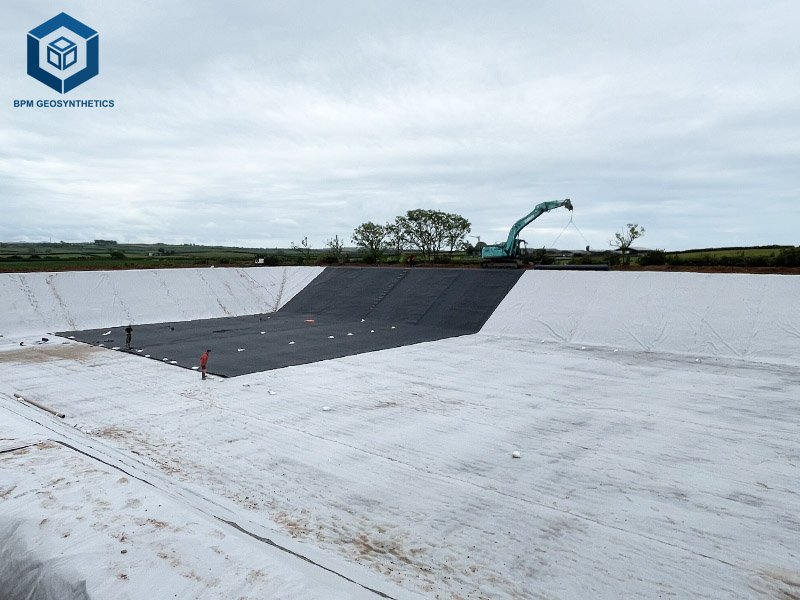
2. How Much Does Geotextile Cost per Square Foot?
The valuation of geotextile cost per square foot embodies a composite modulated by intrinsic fabric quanta, extrinsic project parameters, and macroeconomic fluxes. In 2025, basal material pricing vacillates between $0.09 and $5.00 per square foot, per amalgamations from BPM Geosynthetics and . Integrating deployment, overlaps, and quality vetting elevates aggregates to $0.35-$6.00 per square foot for turnkey configurations, as per HomeGuide audits.
2.1 Geotextile Cost per Square Foot – Geotextile Cost by Type
Fabric construction predicates 40-60% of variance, equilibrating inaugural outlay against endurance and adaptability. Beneath ensues a granular dissection of salient variants, inclusive of 2025 pricing, pivotal quanta, and pragmatic exemplars.
2.1.1 Woven Geotextiles
Woven geotextiles, interlaced monofilament or multifilament yarns, dominate reinforcement applications for their tensile fortitude.
- Cost: $0.30-$0.70/sq ft ($3.23-$7.53/m²); bulk at $0.25-$0.60 for >10,000 sq ft.
- Specifications: GSM: 200-800; Tensile: 20-100 kN/m; Elongation: 15-25%; CBR: 1,500-2,000 N; AOS: 0.3-1.0 mm; Lifespan: 20-50 years; Permittivity: 0.01-0.05 s⁻¹.
- Advantages: Exceptional load distribution (reduces rutting 50%); high soil confinement; 95% resistance to punctures in aggregate bases.
- Disadvantages: Lower filtration (20-30% inferior to non-woven); requires overlaps (adds 10-15% material).
- Applications and Example: Road subgrades; a 5,000 sq ft highway base using 400 gsm woven PP at $0.50/sq ft totaled $2,500, extending life 30% per AASHTO M288 compliance.
2.1.2 Non-Woven Geotextiles
Non-woven geotextiles, needle-punched staple fibers, excel in filtration for their hydraulic prowess.
- Cost: $0.15-$0.50/sq ft ($1.61-$5.38/m²); 150-400 gsm at $0.20-$0.40.
- Specifications: GSM: 100-600; Tensile: 5-30 kN/m; Elongation: 50-100%; CBR: 800-1,500 N; AOS: 0.1-0.6 mm; Lifespan: 10-30 years; Permittivity: 0.5-2.0 s⁻¹.
- Advantages: Superior drainage (100-150 gpm/ft² flow); conformable to contours; 20-30% cheaper than woven.
- Disadvantages: Lower tensile (30-50% less than woven); UV degradation accelerates sans cover (50% strength loss in 5 years exposed).
- Applications and Example: French drains; a 1,000 sq ft residential system via 200 gsm non-woven at $0.25/sq ft cost $250, averting clogs 90% per ASTM D4491.
2.1.3 Knitted Geotextiles
Knitted geotextiles, interlooped yarns, offer flexibility for specialized containment.
- Cost: $0.40-$1.00/sq ft ($4.31-$10.76/m²); 300-500 gsm at $0.60-$0.80.
- Specifications: Tensile: 15-50 kN/m; Elongation: 30-60%; CBR: 1,000-1,800 N; AOS: 0.2-0.8 mm; Lifespan: 15-40 years.
- Advantages: High extensibility for seismic zones; 25% better seam strength.
- Disadvantages: 20-40% premium; limited availability.
- Applications and Example: Seismic retaining walls; a 500 sq ft installation at $0.70/sq ft totaled $350, withstanding 7.0 magnitude quakes per ISO 10319.
2.1.4 Natural Fiber Geotextiles (Jute/Coir)
Eco-variants from biodegradable fibers for temporary stabilization.
- Cost: $0.10-$0.40/sq ft ($1.08-$4.31/m²); 400-700 gsm at $0.20-$0.30.
- Specifications: Tensile: 10-25 kN/m; Elongation: 20-40%; CBR: 500-1,000 N; AOS: 0.5-1.5 mm; Lifespan: 2-5 years; Permittivity: 0.1-0.5 s⁻¹.
- Advantages: 100% biodegradable; 15-20% cheaper; promotes vegetation (80% root penetration).
- Disadvantages: Short tenure; 50% strength loss post-2 years.
- Applications and Example: Slope revegetation; a 2,000 sq ft hillside at $0.25/sq ft cost $500, fostering 70% cover in 18 months per USDA NRCS.
2.2 Geotextile Cost per Square Foot – Cost Impact of Areal Density (GSM)
Density predicates 25-40% of divergence, with graduated weights bolstering resilience at proportional premiums:
- 100-200 gsm (Lightweight): $0.09-$0.30/sq ft; for filtration in sands (e.g., 1,000 sq ft at $200 total, 100 gpm/ft² flow).
- 300-500 gsm (Medium): $0.30-$0.70/sq ft; separation benchmark, per BPM; 120 gpm/ft² and 1,200 N CBR.
- 600+ gsm (Heavy-Duty): $0.70-$5.00/sq ft; reinforcement echelon, halving deformation 50% albeit mass augmentation.
data posits 400 gsm woven economizes $2,000-$5,000 over 20 years in a 5,000 sq ft roadway via reduced repairs.
2.3 Geotextile Cost per Square Foot – Project Magnitude and Scale Ramifications
Scalability engenders economies, compressing unit levies:
- Petite (<1,000 sq ft): $0.50-$2.00/sq ft (bespoke premiums 10-20%; elevated labor quotient).
- Intermediary (1,000-10,000 sq ft): $0.20-$0.80/sq ft.
- Grand (>10,000 sq ft, e.g., 1 acre): $0.09-$0.50/sq ft (20-30% rebates); a 43,560 sq ft erosion barrier at $3,920-$21,780.
Prefabrication curtails field cuts 15%, abating waste 10%.
2.4 Geotextile Cost per Square Foot – Installation Method and Labor Disbursements
Deployment subsumes 30-50% of budgets, varied by technique and topography:
- Autodidact (DIY): $0.10-$0.50/sq ft adjunct to materials + $100-$500 tools; viable for <2,000 sq ft but imperils 15% efficacy from uneven overlaps.
- Professional Deployment: $30-$100/hour, equating $0.20-$0.80/sq ft; encompasses subgrade grooming ($500-$5,000/site), geotextile overlap (12-18 inches, $0.05-$0.15/sq ft, averting 90% migration), and anchoring ($0.10-$0.30/sq ft). Aggregate for 10,000 sq ft: $5,000-$15,000.
- Modalities: Rolling/unrolling (95% uniformity); mechanical stapling for slopes. Gradients >3:1 necessitate pins, appending $0.20/sq ft.
AASHTO-compliant crews attenuate rework 20%, per BPM extrapolations.
2.5 Geotextile Cost per Square Foot – Raw Material Quality and Polymer Type
Virgin PP premiums 10-20% over recycled ($0.08-$4.00/sq ft) but assures 99% spec adherence, eluding 15-25% degradation hazards. PET for acidic soils adds 15-25%; UV stabilizers append $0.05-$0.15/sq ft, protracting viability 5-10 years. High-tenacity yarns elevate 10-20%, indispensable for reinforcement.
2.6 Geotextile Cost per Square Foot – Transportation and Logistics Fluxes
Haulage accrues $0.02-$0.10/sq ft domestically; transoceanic for 15 ft x 300 ft rolls amplifies 15-25% for remote precincts. Indigenous sourcing from BPM or US Fabrics economizes 10-15%, with minima of 5,000 sq ft unlocking tiered pricing.
2.7 Geotextile Cost per Square Foot – Maintenance and Lifetime Costs
Cyclical vigilance—inspections, patching—incurs $0.01-$0.05/sq ft annually; woven’s inertness yields 20-30% savings versus natural fibers. Tear remediation: $200-$1,000/incident; 10-50 year spans amortize to $0.01-$0.03/sq ft annually, per Geosynthetic Institute extrapolations.
3. How to Choose the Right Geotextile
Procuring an apposite geotextile amalgamates engineering mandates with fiscal sagacity. Initiate with exigency cartography—soil profile, hydraulic regime, and load rigors—to calibrate against AASHTO M288 thresholds.
3.1 Appraise Project Requirements
Harmonize types to pursuits:
- Reinforcement/Stabilization: Woven 400 gsm ($0.40-$0.60/sq ft) for roadways (50-100 kN/m tensile).
- Filtration/Drainage: Non-woven 200 gsm ($0.15-$0.30/sq ft) for sands (0.5-1.0 s⁻¹ permittivity).
- Erosion Control: Natural or knitted ($0.20-$0.50/sq ft) for slopes.
Area reckoning: Surface + 15% overlap; AOS <0.6 mm imperative for fines retention.
3.2 Accentuate Quality and Conformance
Exigency virgin polymer with tensile >10 kN/m and ASTM D4751 compliance. Shun recycled for exigencies hazarding 20% creep escalation. Warranties (20-50 years) from BPM or TenCate validate lineage.
3.3 Installation and Deployment Deliberations
Favor non-woven for conformability; underlayment ($0.05/sq ft) sine qua non for 90% filtration prophylaxis. Undulant terrains demand pins for 25% anchorage uplift.
3.4 Lifecycle Fiscal Scrutiny
Prioritize density: A $0.40/sq ft 400 gsm woven over 30 years nets $0.013 annual versus $0.02 for lightweight proxies necessitating biennial interpositions. ROI in roadways surpasses 150% via aggregate savings.
3.5 Vendor Scrutiny and Valuation Rites
Venerated dispensers: BPM Geosynthetics (4.9/5 Alibaba, AASHTO-compliant), (non-woven specialists), US Fabrics (woven experts). Solicit swatches; parley 5-15% divergences on volumes >5,000 sq ft.
3.6 Woven vs. Non-Woven: A Comparative Overview
Juxtaposing woven against non-woven illuminates trade-offs:
| Aspect | Woven | Non-Woven |
| Cost/sq ft | $0.30-$0.70 | $0.15-$0.50 |
| Tensile (kN/m) | 20-100 | 5-30 |
| Permittivity (s⁻¹) | 0.01-0.05 | 0.5-2.0 |
| Lifespan (years) | 20-50 | 10-30 |
| Primary Use | Reinforcement/Separation | Filtration/Drainage |
| Eco-Impact | Recyclable, durable | Higher flow, but UV-sensitive |
Woven excels in load-bearing (95% rut reduction), per BPM; non-woven suits hydraulics but accrues 20% higher replacement via degradation.
4. Industry Trends Affecting Geotextile Costs
2025 augurs metamorphic forces reconfiguring geotextile fiscalities:
- Feedstock Vicissitudes: PP resin volatility (up 5-8% YoY) propels costs 3-7%; recycled variants mitigate 15-20% via ESG imperatives.
- Sustainability Compulsions: Bio-based (jute/coir) and rPP accrue USDA rebates, depressing net costs 10-25% for verdant ventures; 20% market shift by 2030.
- Automation Ascendance: Robotic laydown truncates labor 25% ($0.10-$0.20/sq ft savings); wider rolls (up to 20 ft) diminish seams 15%.
- Intelligent Infusions: Embedded sensors ($0.05/sq ft) preempt 60% failures, per IoT erosion monitors.
- Geopolitical Localization: Asian fabrication (e.g., BPM) curtails imports 10-12%, stabilizing at $0.15-$0.60/sq ft by 2030 amid 6.85% CAGR.
These evolutions herald eco-resilient, tech-augmented fabrics, moderating prices whilst amplifying sustainability.
5. Conclusion
Deciphering geotextile cost per square foot necessitates a syncretic fusion of technical perspicacity and economic prescience. From economical non-woven ($0.15-$0.50/sq ft) to fortified woven ($0.30-$0.70/sq ft), each echelon proffers calibrated virtues, buttressed by 5-100 kN/m tensile, 0.01-2.0 s⁻¹ permittivity, and 10-50 year tenures. Integrating density, magnitude, deployment ($0.20-$0.80/sq ft labor), and sustentation ($0.01-$0.05/sq ft yearly), ventures secure 95% stability fidelity while economizing $2,000-$5,000 per 5,000 sq ft across cycles.
For apical outcomes, champion conformant provenance, exploit volumetric incentives, and synchronize selections with site peculiarities—be it a tensile roadway bastion or a permeable drainage conduit. Judicious apportionment today begets perdurable geotechnical legacies tomorrow. For bespoke valuations, delineations, or consultations, engage vanguard purveyors like BPM Geosynthetics to instantiate precision-tailored geotextile paradigms.