Geo fabric for driveway, commonly referred to as geotextile fabric for driveway, is essential component in modern driveway construction, offering stabilization, separation, and drainage benefits that significantly enhance the longevity and performance of gravel, asphalt, or concrete driveways. Choosing the right geo fabric can prevent common issues such as potholes, rutting, and gravel migration, ultimately reducing maintenance costs and ensuring a smooth, durable surface. With a variety of geo fabrics available—woven, non-woven, and knitted—each with distinct properties, selecting the optimal fabric requires a thorough understanding of your project’s needs, soil conditions, and environmental factors. This comprehensive guide provides detailed insights into the specifications, parameters, and considerations for choosing the best geo fabric for your driveway, supported by data and expert recommendations to help you make an informed decision.
1. What is Geo Fabric and Why is it Essential for Driveways?
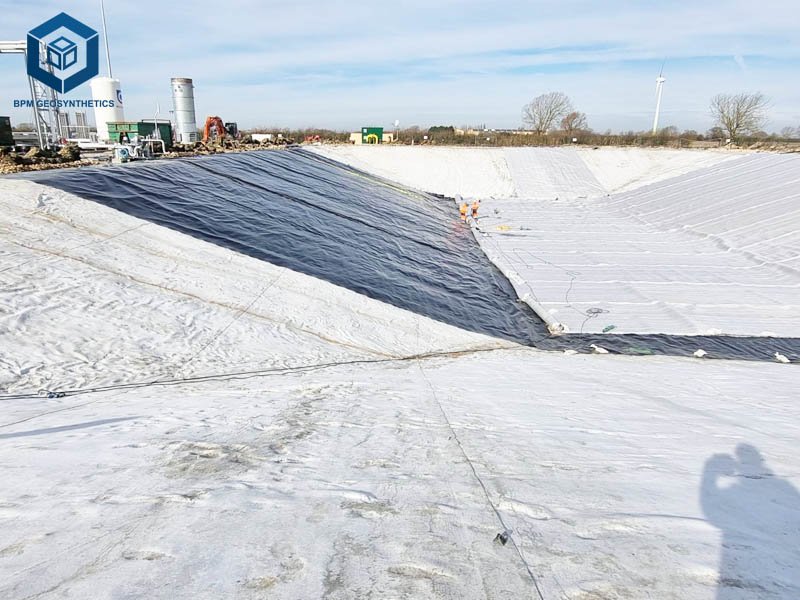
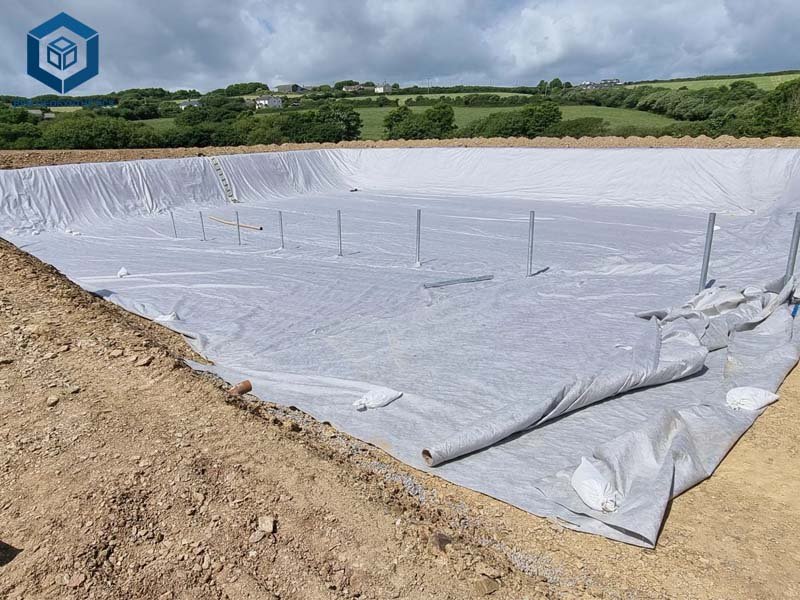
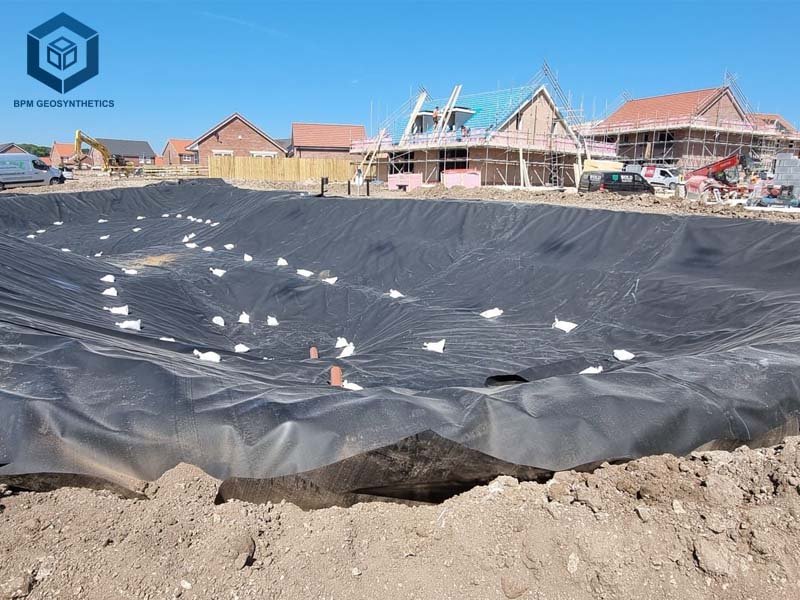
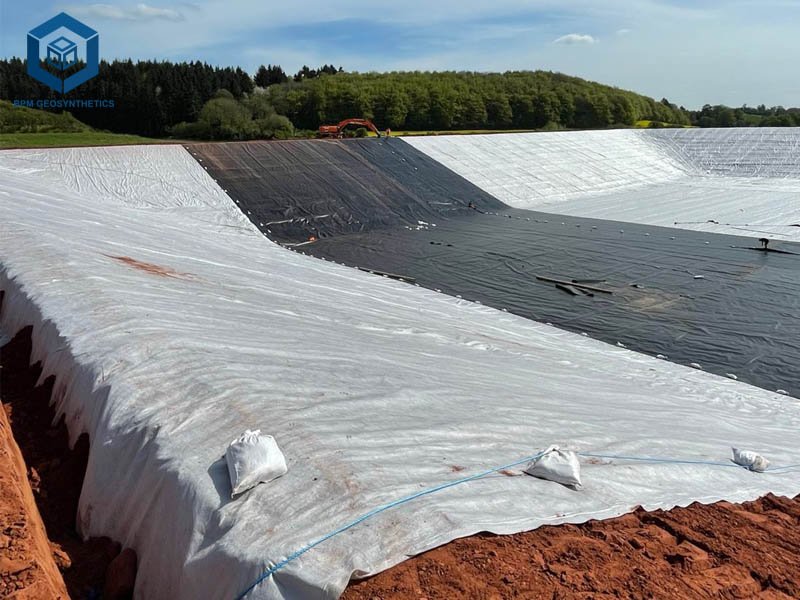
Geo fabric, or geotextile fabric, is a synthetic material, typically made from polypropylene or polyester, designed to enhance the structural integrity of construction projects like driveways. It serves multiple functions, including separation, stabilization, filtration, drainage, and reinforcement, making it a critical component for both residential and commercial driveways. By acting as a barrier between the subgrade soil and the aggregate base, geo fabric prevents the mixing of materials, reduces soil erosion, and promotes proper water drainage, all of which contribute to a stable and long-lasting driveway.
Key Functions of Geo Fabric for Driveway Construction
- Separation: Prevents the intermixing of subgrade soil and aggregate, maintaining the structural integrity of the driveway. Without geo fabric, gravel can sink into the subsoil, leading to an uneven surface and increased maintenance costs.
- Stabilization: Enhances the load-bearing capacity of the driveway by distributing weight evenly, reducing the risk of potholes and ruts.
- Filtration: Allows water to pass through while retaining soil particles, preventing clogging and ensuring effective drainage.
- Reinforcement: Increases the tensile strength of the driveway, enabling it to withstand heavy vehicular traffic.
- Drainage: Facilitates water flow to prevent pooling, which can weaken the subgrade and cause surface damage.
Data from industry studies indicates that using geo fabric can reduce the amount of aggregate needed by up to 30%, lowering both material and labor costs. Furthermore, driveways constructed with geo fabric require less frequent maintenance, with some woven fabrics lasting up to 50 years when properly installed.

2. Types of Geo Fabric for Driveway
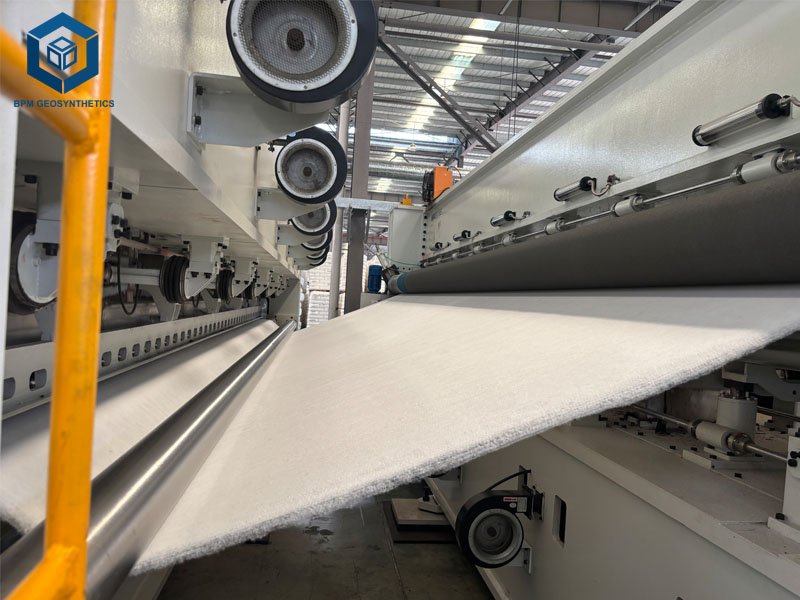
Geo fabrics are broadly categorized into woven, non-woven, and knitted types, each with unique characteristics suited to specific applications. Understanding their differences is crucial for selecting the right fabric for your driveway.
Woven Geo Fabrics
Woven geo fabrics are made by interlacing polypropylene or polyester threads in a tight, grid-like pattern, resulting in high tensile strength and durability. They are ideal for driveways with heavy traffic or soft subgrade soils.
- Characteristics: High tensile strength (200–400 lbs), low permeability, excellent separation, and stabilization.
- Best Use: High-traffic residential or commercial driveways, areas with weak subgrade soils, or where separation is critical.
- Example Product: Sandbaggy 4 oz Woven Geotextile Fabric, rated for 200 lbs tensile strength and 700 lbs puncture resistance.
Non-Woven Geo Fabrics
Non-woven geo fabrics are created by bonding fibers through needle-punching or heat, offering high permeability and flexibility. They excel in drainage and filtration but have lower tensile strength compared to woven fabrics.
- Characteristics: High water flow rate (up to 150 gallons per minute per square foot), moderate tensile strength (100–200 lbs), and excellent filtration.
- Best Use: Driveways in areas with heavy rainfall or poor drainage, or where filtration is a priority.
- Example Product: VEVOR 8 oz Non-Woven Geotextile Fabric, designed for high permeability and weed control.
Knitted Geo Fabrics
Knitted geo fabrics combine the properties of woven and non-woven fabrics, offering moderate strength and permeability. They are less common in driveway applications but can be used in specific scenarios, such as embankment stabilization.
- Characteristics: Balanced strength and permeability, flexible structure.
- Best Use: Specialized applications like steep slopes or areas requiring moderate stabilization and drainage.
Comparison Table: Woven vs. Non-Woven vs. Knitted Geo Fabrics
| Type | Tensile Strength (lbs) | Permeability | Primary Function | Best Application |
| Woven | 200–400 | Low | Separation, Stabilization | High-traffic driveways, soft soils |
| Non-Woven | 100–200 | High | Filtration, Drainage | Wet climates, poor drainage areas |
| Knitted | 150–250 | Moderate | Stabilization, Drainage | Sloped driveways, embankments |
3. Key Parameters to Consider When Choosing Geo Fabric for Driveway
Selecting the best geo fabric for your driveway involves evaluating several technical parameters to ensure compatibility with your project’s requirements. Below are the critical factors to consider, supported by data and practical insights.
3.1 Geo Fabric for Driveway – Tensile Strength
Tensile strength measures the fabric’s ability to withstand pulling forces, which is crucial for driveways subjected to heavy vehicular loads. Woven geo fabrics typically offer higher tensile strength (200–400 lbs), making them suitable for driveways with frequent traffic. For example, a commercial-grade woven fabric like the Super Geotextile 4 oz is rated for 200 lbs, sufficient for cars and trucks. Non-woven fabrics, with tensile strengths of 100–200 lbs, are better suited for lighter traffic or drainage-focused applications.
- Recommendation: Choose a fabric with at least 200 lbs tensile strength for residential driveways and 300 lbs or higher for commercial or heavy-duty applications.
3.2 Geo Fabric for Driveway – Permeability and Water Flow Rate
Permeability determines how effectively the fabric allows water to pass through, preventing pooling and subgrade erosion. Non-woven fabrics have higher water flow rates (100–150 gallons per minute per square foot), making them ideal for wet climates or areas with poor drainage. Woven fabrics, with lower permeability, are better for dry climates or where separation is more critical than drainage.
- Recommendation: For areas with heavy rainfall, select a non-woven fabric with a flow rate of at least 100 gallons per minute per square foot. For dry regions, a woven fabric with low permeability is sufficient.
3.3 Geo Fabric for Driveway – Puncture Resistance
Puncture resistance indicates the fabric’s ability to withstand damage from sharp rocks or installation tools. Woven fabrics typically have higher puncture resistance (500–700 lbs), while non-woven fabrics range from 200–400 lbs. A high puncture resistance is essential for driveways with rocky subgrades or during installation with heavy machinery.
- Recommendation: Opt for a fabric with at least 500 lbs puncture resistance for rocky or uneven subgrades.
3.4 Geo Fabric for Driveway – UV Resistance
Geo fabrics exposed to sunlight before being covered with aggregate can degrade due to UV exposure. UV-resistant fabrics, such as those with added inhibitors, can last up to 1–2 years if exposed, but their lifespan drops significantly without coverage. When buried with at least 3 inches of gravel, fabrics like Sandbaggy’s woven geotextile can last over 50 years.
- Recommendation: Choose UV-resistant fabrics and ensure they are covered promptly to maximize lifespan.
3.5 Geo Fabric for Driveway – Fabric Weight and Thickness
Fabric weight, measured in ounces per square yard (oz/yd²), affects durability and performance. Common weights for driveway fabrics range from 3.2 oz to 8 oz. Heavier fabrics (6–8 oz) offer greater durability and are suitable for high-traffic driveways, while lighter fabrics (3.2–4 oz) are adequate for residential applications with stable subgrades.
- Recommendation: Select a 4–6 oz fabric for residential driveways and 6–8 oz for commercial or heavy-duty applications.
3.6 Geo Fabric for Driveway – Soil Type and Subgrade Conditions
Soil type significantly impacts fabric choice. Clay soils, which retain water, require high-permeability non-woven fabrics to prevent water pooling. Sandy or gravelly soils, which drain well, pair better with woven fabrics for maximum stabilization. A geotechnical engineer can assess soil conditions to recommend the appropriate fabric.
- Recommendation: Conduct a soil test to determine composition and load-bearing capacity. For clay-heavy soils, use non-woven fabrics; for sandy soils, use woven fabrics.
3.7 Geo Fabric for Driveway – Cost and Budget
Geo fabric costs vary based on type, weight, and size. Woven fabrics typically range from $1–$2 per square yard, while non-woven fabrics are slightly cheaper at $0.80–$1.50 per square yard. While woven fabrics are more expensive, their durability and reduced aggregate requirements can lead to long-term savings.
- Recommendation: Balance initial costs with long-term benefits. Investing in a high-quality fabric can reduce maintenance expenses over time.
4. Step-by-Step Guide to Installing Geo Fabric for Driveway
Proper installation is critical to maximizing the benefits of geo fabric. Follow these steps to ensure a stable and durable driveway:
4.1 Step 1: Site Preparation
- Clear the driveway area of vegetation, rocks, and debris.
- Level and compact the subgrade to create a smooth, stable base. A uniformly flat surface ensures the fabric performs effectively.
- Address wet or unstable subgrades by consulting a geotechnical engineer.
4.2 Step 2: Fabric Selection
- Choose a woven or non-woven fabric based on your driveway’s traffic load, soil type, and drainage needs.
- Ensure the fabric meets specifications like tensile strength (200 lbs minimum) and puncture resistance (500 lbs minimum).
4.3 Step 3: Fabric Installation
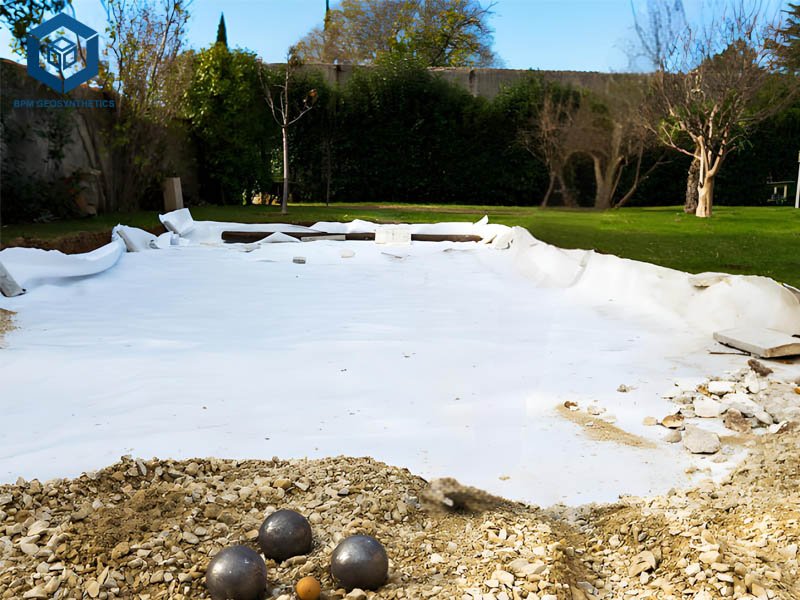
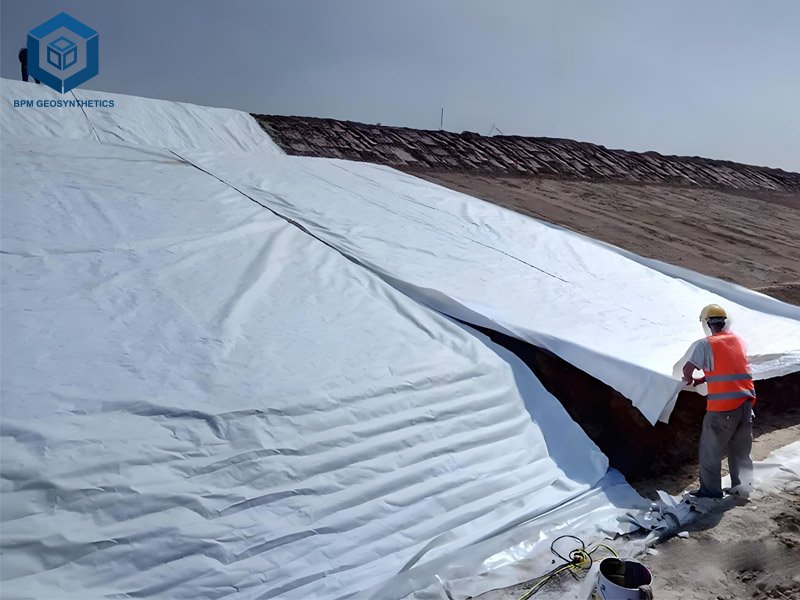
- Roll out the fabric in the direction of the driveway, aligning with project plans to ensure maximum strength.
- Overlap fabric edges by 18–24 inches to prevent gaps.
- Secure the fabric with landscape staples (1.3 staples per square yard) to prevent shifting.
4.4 Step 4: Aggregate Placement
- Spread crushed angular aggregate (1-inch diameter or smaller) to a depth of 8–12 inches over the fabric. Avoid rounded gravel, as it lacks interlocking properties.
- Drive slowly (under 10 mph) when dumping aggregate to avoid damaging the fabric.
- Compact the gravel using a vibratory roller or compacting tool to create a solid surface.
4.5 Step 5: Maintenance
- Inspect the driveway periodically for signs of wear, tears, or gravel displacement.
- Add gravel as needed to maintain a minimum depth of 3 inches to protect the fabric from UV degradation.
- Ensure proper drainage to prevent water pooling, which can weaken the subgrade.
5. Common Mistakes to Avoid
- Inadequate Overlap: Failing to overlap fabric edges by at least 18 inches can lead to gaps, compromising stabilization.
- Poor Site Preparation: Skipping leveling or debris removal can cause fabric damage and reduce effectiveness.
- Using the Wrong Fabric: Non-woven fabrics are unsuitable for high-traffic driveways due to lower tensile strength.
- Insufficient Gravel Depth: Less than 8 inches of gravel can expose the fabric to UV rays, reducing its lifespan.
- Improper Compaction: Inadequate compaction leads to gravel shifting and an unstable surface.
6. Advanced Considerations for Specific Scenarios
6.1 Driveways with Heavy Traffic
For commercial driveways or those with frequent heavy vehicle traffic, opt for heavy-duty woven geo fabrics with a tensile strength of 300 lbs or higher. Products like the Mutual WF200 Driveway Fabric, with high grab tensile strength and UV resistance, are ideal for these applications.
6.2 Driveways in Wet Climates
In areas with heavy rainfall, non-woven fabrics like the VEVOR 8 oz Non-Woven Geotextile Fabric are recommended for their high water flow rates. Ensure proper drainage systems, such as ditches or culverts, are in place to manage runoff.
6.3 Driveways on Sloped Terrain
For sloped driveways, knitted geo fabrics or woven fabrics with moderate permeability can provide stabilization while allowing drainage. Geocells, a honeycomb-like geosynthetic, can further enhance stability by containing aggregate.
6.4 Eco-Friendly Options
For environmentally conscious projects, consider biodegradable woven fabrics like the Flarmor 5 oz Woven Driveway Ground Cover, which offers durability without long-term environmental impact.
7. Conclusion
Choosing the best geo fabric for your driveway is a critical decision that impacts its durability, maintenance requirements, and overall performance. By understanding the differences between woven, non-woven, and knitted fabrics, evaluating key parameters like tensile strength, permeability, and puncture resistance, and following proper installation techniques, you can create a stable, long-lasting driveway that withstands heavy traffic and environmental challenges. Whether you prioritize separation for soft soils, drainage for wet climates, or reinforcement for heavy loads, selecting a high-quality fabric tailored to your project’s needs is essential. With the right geo fabric, such as those from trusted brands like BPM Geosynthetics, you can achieve a cost-effective, low-maintenance driveway that remains smooth and functional for decades.
For further assistance or to explore specific geo fabric products, contact BPM Geosynthetics, or consult a geotechnical engineer to ensure your driveway meets the highest standards of stability and performance.